

In May 2007, 16-year-old Cady Anne Reynolds was driving to her Omaha area home when another teen driver ran a red light, striking her car. Reynolds died in the crash.
“At the time, people weren’t really talking about distracted driving as a leading cause of crash deaths for teens or adults,” said Cady’s father, Rob Reynolds.

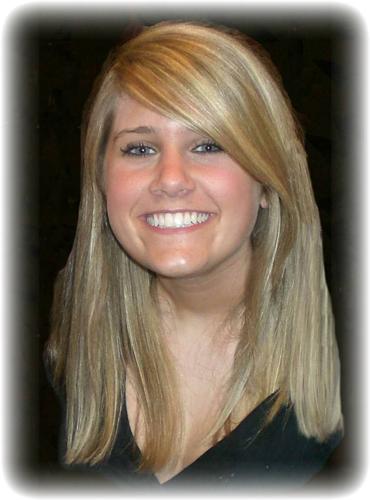
Cady, May 2007
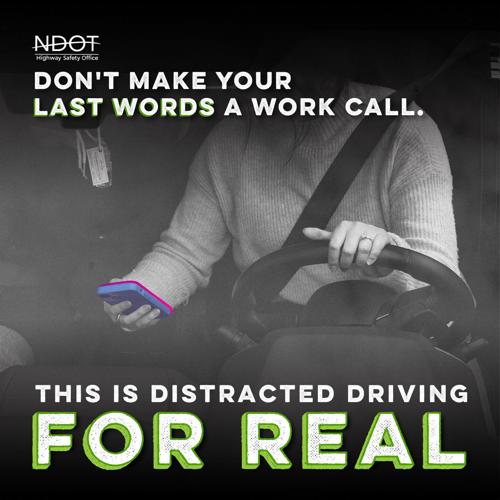
According to Nebraska Department of Transportation statistics, distracted driving crashes claimed 13 lives in Nebraska in 2023 and caused 771 injuries. Distracted driving involves any activity that takes a driver’s focus away from safely driving like eating, talking, texting and fiddling with the car radio.
Since the loss of their daughter, Cady’s parents Rob and Shari have been on a mission to raise awareness about the dangers of distracted driving. In 2008, they founded C.A.R. Alliance for Safer Teen Driving. The Reynolds speak to audiences across the state while advocating for stronger distracted driving laws.
“Everyone should be aware that doing anything besides driving when in a vehicle is very dangerous,” said Bill Kovarik, NDOT’s Highway Safety Office administrator. “Sending or reading a text takes your eyes off the road for approximately five seconds. At 55 miles per hour, that’s like driving the length of an entire football field with your eyes closed.”
Although Nebraska does have a law in place that makes it illegal to use a handheld communication device while driving, officers cannot pull drivers over just for that reason, making the infraction a secondary offense and difficult to enforce.
“If you’re caught, it would add points to your driving record and entail a progressive fine,” Kovarik said.

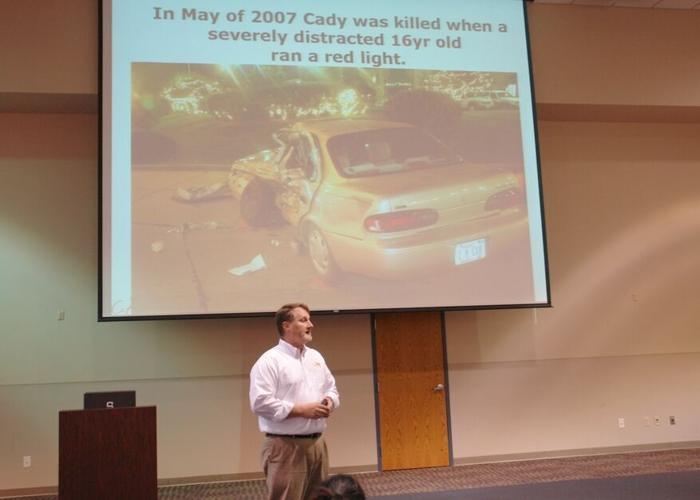
C.A.R. Alliance for Safer Teen Driving presentation
To parents, Reynolds stresses the importance of leading by example.
“We’re creatures of habit,” he said. “The phone rings, and it might be the boss or an email from an important client. It’s natural to want to check it immediately. I get it. I have a full-time job and am on call 24 hours a day, but I never answer the phone while I’m driving.”

Is the temptation too hard to resist? Reynolds suggests putting phones and devices out of sight in a glove compartment, trunk or back seat before getting behind the wheel. If the phone pings and you simply must respond, find a safe place to pull over and park.
“My voice mail says, ‘Hi, it’s Rob. I’m either busy or I’m driving. Please leave a message and I’ll get back to you,’” he said. “That relieves me of acknowledging the call and lets the caller know why I can’t talk at the moment.”
iPhones and Android phones can be programmed to automatically reply to incoming texts while you’re driving. Passengers can also do their part by not creating unnecessary distractions that pull the driver’s attention away from operating the vehicle safely.

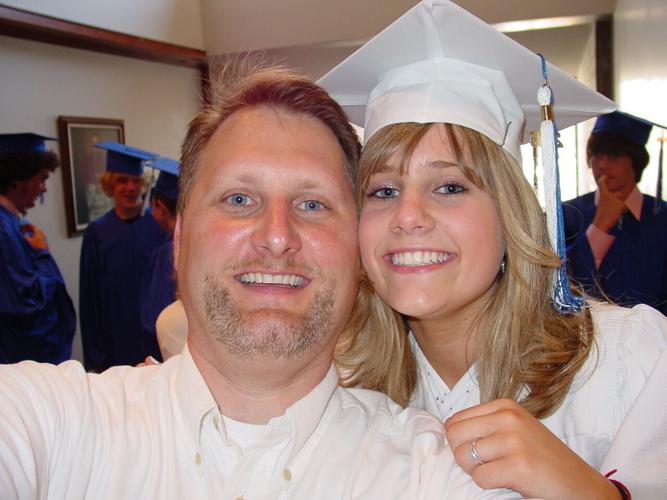
Rob Reynolds with daughter Cady
By continuing to share Cady’s story through the C.A.R. Alliance, the Reynolds hope to save other families the pain they’ve experienced.
“For me, this is an ongoing labor of love,” Reynolds said. “And if we can change the course of just one other person’s life by telling Cady’s story and changing a driver’s habits because of it, then it’s worth continuing this mission. In the meantime, I know that Cady is keeping count for us and when we see her again, she will tell us how many lives her story impacted.”
To learn more, please visit dot.nebraska.gov/safety.