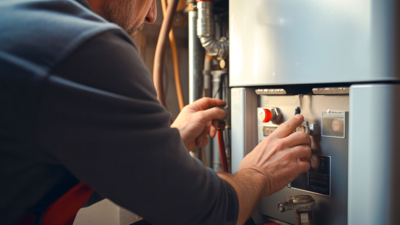


As we approach the official start of winter and temperatures drop, the demand for natural gas use grows. From heating your home and powering appliances, to keeping water warm, natural gas is a safe, efficient fuel source and a key part of many households’ winter routines.
While natural gas appliances provide comfort and convenience, it’s important to use them correctly. Failure to maintain equipment or improper handling may lead to safety risks.
Here are some safety tips on how to prepare your home for winter
- Have natural gas appliances, heating system, chimney and venting systems inspected every year by a qualified heating contractor.
- Gas appliances and furnaces need fresh air for proper combustion. Combustion products need to be vented to the outdoors. Keep flues, ducts and vents attached to appliances and heating systems in good condition and clear of obstructions.
- Use a clean filter. Standard furnace filters need to be cleaned or changed more often in winter. Check the owner’s manual for frequency.
- Clean warm-air registers and make sure they are not blocked by furniture, carpet or drapes.
- Seal leaks around doors, windows and other openings, ensuring they have plenty of insulation in walls and the attic.
- Do not use gas ovens to heat a room or for any purpose other than cooking. It could be dangerous to your safety and may damage the range or oven.
- Each gas appliance has its own shut-off valve. Know where each is located and how to shut it off in case of a suspected gas leak.
- Teach children about safety around all household appliances.
In the event there is a gas leak, it’s important to know the signs — especially in the winter when leaks can be harder to detect.
Signs of a gas leak include
- Smell. Natural gas is odorless, but a sulfur-like odor (reminiscent of rotten eggs or skunk) is added to make leaks detectable.
- Sight. Look for a white cloud, mist, fog, bubbles in standing water or blowing dust. You may also see dead vegetation spots in the grass.
- Sound. A roaring, hissing or whistling sound near a gas line or appliance.
Even with precautions in place, gas emergencies can still occur. If you suspect a gas leak, the most important thing to do is leave the area, then call Metropolitan Utilities District’s emergency number via 402.554.7777 or call 911.
Never use electrical switches, light matches or operate any device that could create a spark near a suspected leak, and never assume someone else will report it. Metropolitan Utilities District is available 24/7/365, and will check for gas leaks at no charge for customers.
Winter presents unique challenges for those involved in construction, landscaping or utility work that requires digging. Whether you're installing a fence, planting trees or working on outdoor construction projects, digging during the winter months can be hazardous. Cold temperatures, frozen ground and other winter conditions can lead to accidents, property damage and safety risks.
While excavation work isn’t as common during the winter, it is still required that you call 811 at least two business days before any digging work takes place. Or you can submit a request at nebraska811.com.
Natural gas plays an integral role in keeping homes warm and functional during the winter. However, it is essential to take proactive steps to ensure that it’s used safely. By regularly inspecting your gas appliances, installing carbon monoxide detectors, ensuring proper ventilation and knowing how to respond in an emergency, you can protect your home and family.