

Image Source: Deposit Photos
For years, creativity in America seemed centered in big coastal cities like New York, Los Angeles, and San Francisco. But new data shows artistic and entrepreneurial energy is spreading far beyond those urban centers. A 2025 study by UPrinting ranked U.S. cities by creative output, revealing a new wave of smaller and mid-sized cities becoming destinations where creativity drives both culture and commerce.
A Shift in America’s Creative Map
UPrinting’s research evaluated cities based on creative job concentration, cultural spaces, and design-oriented businesses. Traditional hubs still ranked high, but several unexpected cities broke through the top of the list.
Places like Milwaukee, Minneapolis, and Salt Lake City stood out for strong creative communities and accessible opportunities for artists, designers, and entrepreneurs. These cities offer something larger metros often can’t: affordability, collaboration, and space to grow.
People are also reading…
This shift highlights how Americans are rethinking where and how they work. As more professionals seek a balance between cost of living and creative opportunity, they’re finding inspiration in smaller markets that encourage experimentation and local connection.
Creativity Thriving in Local Communities
Creative economies aren’t built solely by design firms and tech startups. Local markets, galleries, and community programs play an equally important role in fueling creativity at the ground level.
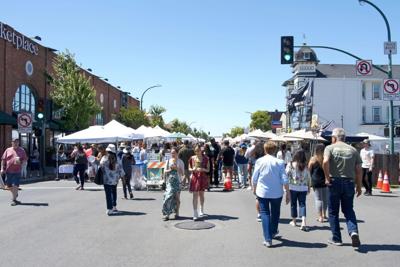
According to an analysis of U.S. farmers' markets, community-driven markets are thriving across the nation. These spaces provide creators with a platform to sell their handmade goods and connect directly with consumers.
This kind of “grassroots creativity” powers many of the top-ranked cities in UPrinting’s study. Local governments and nonprofits are investing in cultural spaces and small-business programs that strengthen these creative networks. The result is a cycle where creativity supports commerce, and commerce helps fund new creative opportunities.
Building Skills That Support Creative Growth
Behind every thriving creative economy is a workforce with strong design and communication skills. As visual and digital skills become increasingly valuable across industries, accessible training opportunities are enabling more people to participate in the creative economy.
Programs like graphic design classes provide pathways for aspiring creators to turn talent into viable careers. These resources are especially important in emerging markets where access to traditional design schools or large creative agencies may be limited. Expanding these opportunities helps sustain growth in the country’s rising creative cities.
What This Trend Means for the Future
UPrinting’s study shows creativity is shaping how cities define their identity and economic direction. Communities once known for manufacturing or agriculture are now attracting artists, entrepreneurs, and creative professionals looking for new opportunities.
This shift is more economic than cultural in nature. Expanding access to creative careers strengthens local economies, supports small businesses, and diversifies industries once dominated by a few regions. For policymakers and business leaders, supporting creative infrastructure (such as co-working spaces, art funding, and accessible design education) can help maintain this momentum.
For creatives, the takeaway is clear: inspiration isn’t limited by geography. The next great idea might not come from a coastal city but from a local studio, workshop, or small business in America’s heartland.