
Saving money on food costs is important and here are a few healthy breakfasts that will keep your stomach and your wallet full. Buzz60’s Keri Lumm reports.
PITTSBURGH — Laura Ali has helped countless clients fine-tune their diets to promote healthy eating habits in her three decades as a registered dietitian and culinary nutritionist, 16 of them in a clinical setting at the Cancer Institute at UPMC, now Hillman Cancer Institute.
Good nutrition is a cornerstone of good health, with study after study showing that adults who eat an adequate, well-balanced diet not only live longer, but also lower their risk of heart disease, diabetes and certain cancers.
Yet it was Ali's own genetics that got her thinking about the new eating plan known as the MIND diet, which is meant to support memory. She was so struck by its proposed benefits that during the pandemic, she wrote a cookbook with 65 simple recipes based on its recommendations. Published in March, it's called "Mind Diet for Two" (Rockridge Press, $14.99)
Both Ali and her husband have a family history of Alzheimer's disease and have watched close relatives suffer from dementia. So as she inched toward middle age, the Pittsburgh native grew increasingly intrigued by the role food plays in long-term cognitive health. Hoping to avoid the same fate, "I wanted to learn more to see if there were things we could do to slow down or prevent dementia altogether," she said.
People are also reading…
Her reading led her to the work researchers at Rush University in Chicago have been doing with elderly residents via the MIND diet, the first eating plan that focuses on foods that specifically support and improve cognitive health.
Created to slow the loss of brain function that happens with age, the MIND diet combines two diets considered to be super-good for the heart: the mostly plant-based Mediterranean diet, and the low-sodium DASH diet, developed in the 1990s by the National Heart, Lung and Blood Institute to prevent and treat high blood pressure.
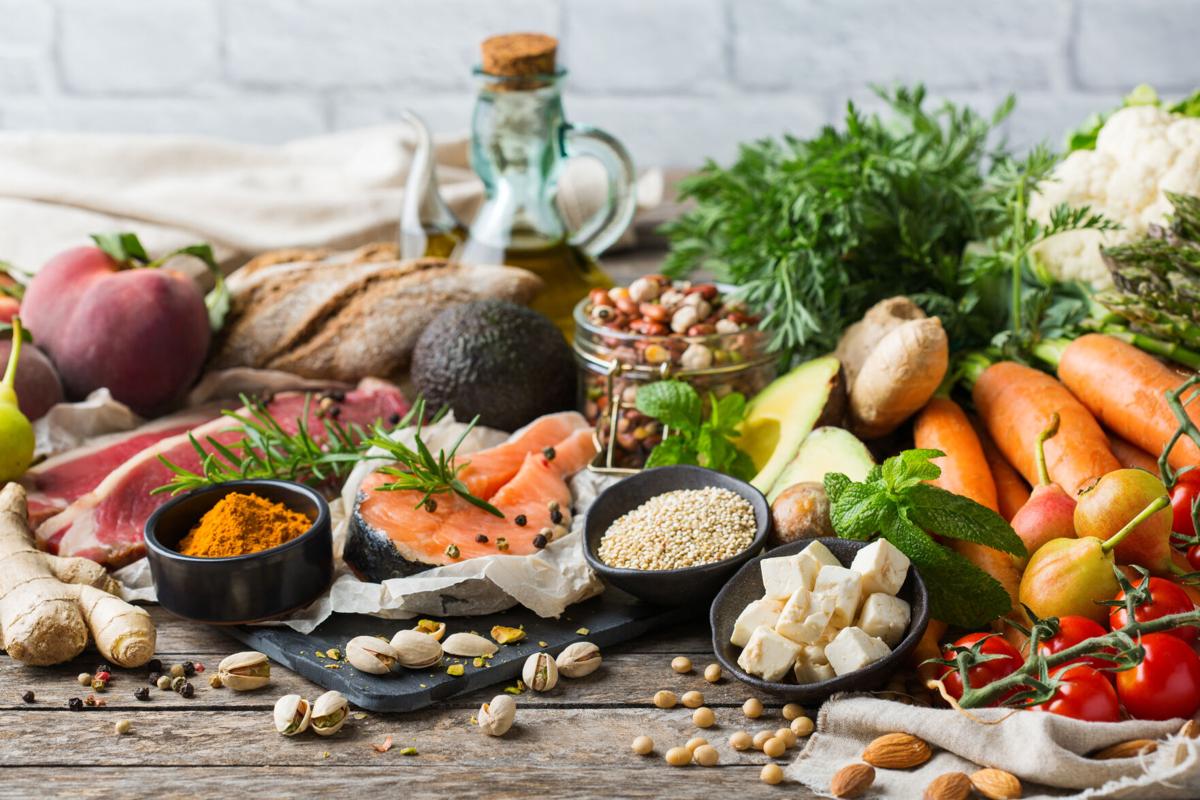
Both build meals around fruits, vegetables and whole grains, with varying amounts of lean meats, fish, sweets and healthy fats allowed per day or week. The MIND diet takes it a step further by encouraging regular consumption of 10 types of "brain healthy" foods — berries, leafy greens, other vegetables, nuts, beans, whole grains, fish, poultry, olive oil and red wine — and limiting foods in five groups including red meats, butter and stick margarine, cheese, pastries and sweets, and fried or fast food, because they are high in saturated fat and trans fat and known to increase cholesterol.
When people age, Ali writes, plaque builds up on the brain, causing the communication system to short-circuit and interfere with the brain's messages to the body. Substances called flavonoids, found in foods like fruits, vegetables, cocoa and wine, contain antioxidant and anti-inflammatory properties, which protect the body's cells from damage and reduce inflammation.
That's important because Alzheimer's patients tend to have brains that are inflamed, while people with hypertension and diabetes are at a great risk for stroke, which is a major factor for vascular dementia and Alzheimer's.
"It's just a healthy way of eating," Ali says.
Research suggests that the MIND diet lowered the risk of Alzheimer's by as much as 53% in participants who rigorously followed to the diet to a T, and by about 35% in those who adhered to it moderately well. But improvements start to weaken at about year 7.
Ali says she knew the cookbook would probably strike a chord with home cooks because people today are so much more aware of what they should be eating, and the role that good nutrition can have in maintaining and improving health. While we still want the convenience of drive-through, or eating quickly on the run or at our desks, "there's true desire to eat better," she says.
In deciding which foods to include, Ali — a lifelong cook who has done culinary consulting for Giant Eagle, StarKist and Del Monte Foods — chose 65 recipes that use ingredients readily available in any grocery store. She also steered clear of recipes that required special equipment like an air fryer or Instant Pot because not everyone has one.
"I approached it as what [the average person] typically eats," she says — quick breakfasts, simple lunches and mains that can be made in 30 minutes or less.
Many are gluten- or dairy-free, and all come with nutritional information, along with prep and cook times. She also includes a servings chart, kitchen tips and a seven-day sample menu to get you started.
The cookbook is unique in that all the recipes serve just two instead of the standard four to six for a family. That's because by the time most people are worried about dementia, they are often cooking for two most of the time as empty nesters.
"At this point in life, people are often caring for elderly relatives that may have dementia and are seeing the real effects it has. I think they become worried about their own health as they age."
With food waste a growing problem, people also don't want to have to throw away leftovers.
"But most can easily be doubled for four or more," she says.
If you're someone who doesn't already eat a lot of fruits, grains, fish or leafy vegetables, it can take some time to adjust to the MIND diet — for your body as well as your palate. (The increased fiber can cause bloating, gas or constipation.) She suggests starting easy by sneaking some of the ingredients into your dishes — say, add some spinach or salmon to your scrambled eggs, serve a leafy salad with dinner, or stir vegetable into your pasta.
Tougher still may be learning to limit favorites like cheese, butter and steak. But the daily glass of red wine you're allowed, she says with a laugh, makes up for it.
"It's a relatively easy way of eating," she says.
BLUEBERRY SMOOTHIE
PG tested
Packed with essential nutrients, fiber and antioxidants, blueberries are one powerful little berry. Research suggests they can lower the risk of dementia and support a healthy, well-functioning immune system. Kefir, a fermented milk drink, is also thought to have positive impacts on brain health due to its probiotic content.
This tangy smoothie comes together in minutes and has just 261 calories, making it a perfect (and healthy) breakfast or mid-afternoon snack.
1 1/2 cups kefir
1 5.3-ounce cup nonfat Greek yogurt
1/4 cup finely chopped walnuts
1 cup fresh blueberries
2 or 3 ice cubes
In a blender or food processor, place the kefir, yogurt, walnuts, blueberries and ice cubes. Blend about 1 minute on high, until mixture is completely combined.
Divide between 2 glasses and enjoy.
Makes 2 smoothies.
— "Mind Diet for Two" by Laura Ali (Rockridge Press, 2022, $15)
Soba Noodles with Spicy Peanut Sauce
PG tested
This spicy noodle dish takes less than 15 minutes to prepare, and is packed with MIND-diet friendly ingredients. Soba noodles, made with buckwheat, are rich in fiber and also contain flavonoids, which can reduce inflammation. The real star is the edamame, one of the few vegetables that is a complete protein.
For peanut sauce
1/4 cup creamy peanut butter
1 tablespoon soy sauce
1 teaspoon lime zest
1 tablespoon lime juice
1/2 teaspoon toasted sesame oil
1/2 teaspoon red pepper flakes
1/2 teaspoon freshly grated ginger
For noodles
1 teaspoon extra-virgin olive oil
1/2 cup shredded carrots
1/2 cup thinly sliced bell pepper strips
1 cup shelled edamame (thawed, if frozen)
1 tablespoons sliced scallions, green and white parts
6 ounces soba noodles
1/4 cup shredded red cabbage
1/4 cup peanuts, chopped
2 tablespoons chopped cilantro
In medium bowl, whisk together the peanut butter, soy sauce, lime zest, lime juice, sesame oil, red pepper flakes and ginger until well blended. Set aside.
In medium skillet, heat olive oil over medium heat. Add carrots, bell pepper and edamame. Cook for 2 minutes, until just hot. Add scallions and stir for 30 seconds. Remove from heat.
In a large saucepan, bring 6 to 8 cups water to a boil over high heat. Add soba noodles and cook according to package directions until just al dente, 4 to 6 minutes. Drain and put the noodles back in the saucepan.
Immediately toss the soba noodles with the peanut sauce to coat. Add cooked vegetables and toss well.
Divide between 2 plates and top with cabbage, peanuts and cilantro.
Serves 2.
— "Mind Diet for Two" by Laura Ali (Rockridge Press, 2022, $15)
SPICY AVOCADO DRESSING
PG tested
Avocados are rich in monounsaturated fat and potassium, both of which are important for blood pressure control and may help improve blood flow to the brain. Use as a spread for sandwiches, toast or tacos, or as a thick and creamy salad dressing. Also works as a dip with crudites.
1 medium ripe avocado, pitted, peeled and diced
1 teaspoon lime zest
3 tablespoons freshly squeezed lime juice
1 tablespoon chopped jalapeno pepper
2 teaspoons chopped garlic (about 2 cloves)
2 tablespoons extra-virgin olive oil
1 tablespoon chopped fresh cilantro
1 tablespoon chopped fresh parsley
Place ingredients in the bowl of a food processor. Process until completely combined and no large pieces are visible.
Store in an airtight container in the fridge for up to 1 week. (The lime juice will keep the dressing from turning brown.)
Makes 3/4 cup.
— "Mind Diet for Two" by Laura Ali (Rockridge Press, 2022, $15)
4 ways to make healthy eating more affordable
Budget bites
It’s possible to make better food choices without spending a fortune; you just have to know where to look.
Stock up on cheaper protein sources
In addition to injecting some variety into your diet, cheaper protein sources offer you a chance to be creative with your meals. Yes, boneless, skinless chicken breasts are a healthy option — but if you opt for a whole chicken instead, it’s both cheaper and gives you more cuts to work with. You can use the breasts for a salad, put the thigh meat in soup, and grill the drumsticks.
Buy staples in bulk
Warehouse clubs are a great way to stock up on canned goods, dry goods and frozen produce. Having plenty of shelf-stable items at home means you’ll always have healthy options on hand.
“If you need to buy healthy grains in bulk, health-food stores like Whole Foods and Earth Fare are great options,” Ramhold says. “Though other items there might be pricey, their bulk bins tend to be comparably priced.”
Shop for specialty foods
Ethnic markets and specialty-food aisles often stock ingredients that other stores might not carry, but it goes beyond that.
“Spices can be ridiculously expensive for a small amount, but by buying packages and bottles at specialty food stores, you’ll get way more bang for your buck,” Ramhold says. “They’re also an excellent place to shop for pantry staples in bigger sizes, and often stock delicious produce at affordable prices.”
Plan meals for the week in advance

Meal prep makes healthy eating significantly easier. Start by formulating a menu to turn to during the week. A clear plan of action — shopping list included — sets you up for grocery-shopping and home-cooking success, so you’ll rely on fast food and takeout less.
Once you’ve gotten into the swing of organizing your meal schedules in advance, you can jump into prepping batches of grains, veggies and protein ahead.