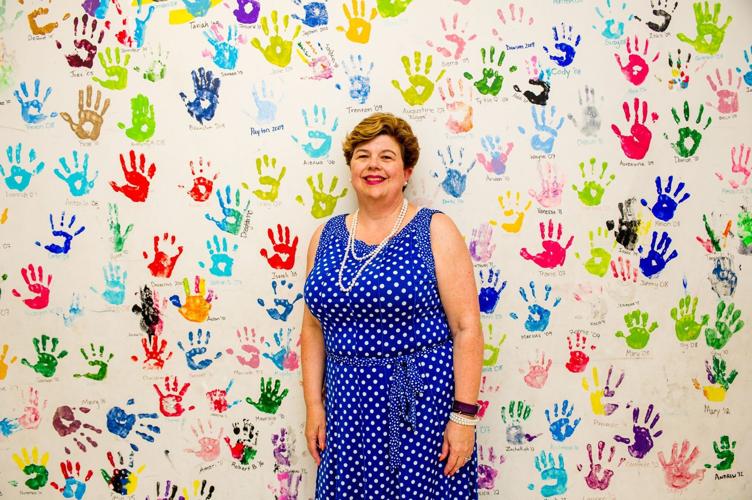


Experts with Project Harmony, discuss the increase in mental health needs and the lack of providers.
As students emerge from a third COVID-disrupted school year, the impacts of the pandemic on children’s brains — from lost socialization to missed instruction — are coming into greater focus.
From March to October 2020, mental health-related visits to emergency rooms among children ages 5-11 nationwide increased 24%, according to the federal Centers for Disease Control and Prevention.
The situation is stark among teens and young adults. The CDC reported in March that 37% of high school students said they experienced poor mental health during the pandemic, and 44% reported feeling persistently sad or hopeless over the past year. Rates of depression, anxiety and suicide attempts among young people are increasing.
Meanwhile, calls to the Boys Town National Hotline for children experiencing anxiety shot up 50% from February 2020 to February of this year, the Flatwater Free Press reported. Behavioral issues among students readjusting to the classroom are on the rise as well.
People are also reading…
Considering the gravity of the numbers, the question many are grappling with is: What should parents, guardians, teachers and other adults do to look after children’s mental health?
One of the most important elements of prevention starts at home, said Katie McLeese Stephenson, executive director of HopeSpoke, a mental health clinic for children in Lincoln.

Katie McLeese Stephenson
Parents and caregivers should regularly talk to their children about their feelings and emotions as well as monitor changes in their physical health and behavior.
“A child isn’t likely to say, ‘I feel anxious,’ but they might be able to describe behaviors that would lead you to know that’s what they’re talking about,” McLeese Stephenson said.
Lincoln Public Schools has a number of resources available for families and children. The district bolstered its mental health supports using federal coronavirus relief funds, including bringing in additional therapists from outside agencies, including HopeSpoke, to work with students.
The district also employs school social workers, psychologists and counselors that can connect students with therapists outside school.
For years, Lincoln Public Schools has used a social-emotional learning curriculum called Second Step in pre-K-7th grade classes. The curriculum teaches students how to manage emotions and solve problems and promotes positive behavior.
The district also engages students who may be struggling through a check-in, check-out system in which teachers make contact with students throughout the day to see how they’re doing.
“We really emphasize that relationship-building in the classroom to make sure kids feel supported,” said Brenda Leggiadro, the Lincoln district’s supervisor of counseling and school social work.
Joanna Halbur, director of mental health services at Project Harmony, a child advocacy center in Omaha, said noticeable changes in a child’s behavior — such as a normally outgoing child acting more reserved — can be signs of anxiety or depression.
Halbur said parents should reach out to a counselor or other specialist who can give the appropriate assessment.
Other resources for families include:
CenterPointe helpline: 402-475-6695.
Nebraska Family Helpline: 888-866-8660.
National Suicide Prevention Lifeline: 800-273-8255.
Boys Town National Hotline: 800-448-3000 or text VOICE to 20121.