

If you make a purchase after clicking on links within this article, Lee Enterprises may earn affiliate commissions. The news and editorial departments had no role in the creation or display of this content.
Many “brain-boosting” mushroom supplements leave much to be desired. They throw lion’s mane on the label, skip the compounds that matter, and pad the rest with filler. If you don’t see erinacines or hericenones listed, you’re not getting neurogenesis – you’re getting expensive powder. Same problem with reishi without triterpenes or cordyceps without cordycepin. Beta-glucans are the floor, not the ceiling, and even those may get fudged with polysaccharide marketing tricks. The truth is, only a handful of brands may actually engineer their formulas for cognition instead of just dressing them up for Amazon sales. Those are the ones that may matter, and they’re the ones here.
People are also reading…
Form: Powder
Key Mushrooms: Lion’s Mane, Reishi, Cordyceps, Turkey Tail, Chaga
Price: $$$
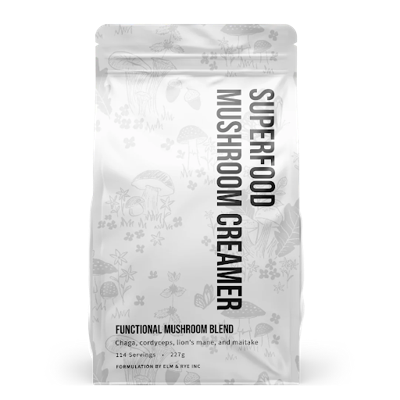
Elm & Rye leads because they don’t just list mushrooms, they standardize them. Lion’s mane comes with erinacines and hericenones disclosed – the compounds tied to neurogenesis and possible memory improvement. Cordyceps is tested for cordycepin, which may support energy metabolism in the brain. Reishi contributes triterpenes, which may be relevant for stress reduction and sleep quality – both critical for cognitive performance. Beta-glucans from turkey tail and chaga aim to build immune resilience, potentially reducing the inflammatory drag that slows mental clarity. It’s not cheap, but it may be one of the only powders that lines up with actual clinical data instead of lifestyle claims.
• Potential Pros: Full compound standardization; designed for cognition and stress; no mycelium padding.
• Cons: Premium price; powder format requires a routine.
• Conclusion: This may be the most complete mushroom powder for brain health – expensive, but clinically built.
2. Nootrum Mushroom Capsules
Form: Capsules
Key Mushrooms: Lion’s Mane, Reishi, Cordyceps, Chaga, Turkey Tail
Price: $$
Nootrum proves capsules don’t have to be weak. Their lion’s mane is standardized for erinacines, not just bulk milligrams, which may mean actual neuro-support instead of empty dosing. Cordyceps delivers cordycepin for potential mental energy and resilience, while reishi aims to bring measurable triterpenes for possible stress modulation. Beta-glucans are disclosed across the formula, showing this isn’t filler dressed as a nootropic. The value point is strong – less cost than Elm & Rye, with potency that may actually deliver. If you want clinical-level compounds without messing with powders, this could be the capsule stack that makes sense.
• Potential Pros: Erinacine-standardized lion’s mane; clinical dosing in capsule format; transparent label.
• Cons: Capsules cap dosing flexibility; slightly narrower profile than Elm’s powder.
• Conclusion: This may be the strongest capsule for brain outcomes – affordable, convenient, and credible.
3. Mushgooms by Angel Gummies
Form: Gummies
Key Mushrooms: Lion’s Mane, Cordyceps, Reishi, Chaga
Price: $$
Many mushroom gummies may be like candy pretending to be nootropics. Mushgooms may be different. Each gummy may deliver enough lion’s mane to matter for cognition, cordyceps to give steady energy, and reishi for stress balance. Chaga rounds it out with possible immune support, keeping brain fog at bay. They’re not max-strength – you won’t get Elm & Rye levels of erinacines here – but the advantage is consistency. People may finish the bottle because it tastes good and fits into their day, and that consistency could translate into real-world benefit. It may be the only gummy that doesn’t collapse under scrutiny.
• Potential Pros: Functional doses per gummy; compliance is excellent; potentially covers multiple brain-support angles.
• Cons: Format limits max potency; no active compound breakdown.
• Conclusion: This may be the first gummy you can actually take seriously for brain health.
4. FreshCap Lion’s Mane (Capsules)
Form: Capsules
Key Mushroom: Lion’s Mane
Price: $$
FreshCap’s single-species lion’s mane may be one of the few capsule products that doesn’t collapse under inspection. It’s fruiting-body-based, dual-extracted, and beta-glucan content is disclosed, which immediately may put it ahead of most of the Amazon “brain booster” capsules. But while it looks clinical, the missing piece is erinacine and hericenone standardization. That’s what separates a good lion’s mane from a functional nootropic. FreshCap gives you a clean, honest extract with real beta-glucans, but it may not hit the clinical ceiling. For baseline cognition support, it’s solid. For measurable neurogenesis, it may not quite land.
• Potential Pros: Fruiting body only; beta-glucans disclosed; clean, transparent sourcing.
• Cons: No erinacine/hericenone standardization; moderate dosing.
• Conclusion: This may be a reliable, no-nonsense lion’s mane capsule – effective at the basics, but capped in potential.
5. Host Defense Lion’s Mane (Capsules)
Form: Capsules
Key Mushroom: Lion’s Mane
Price: $$
Host Defense rides on Paul Stamets’ name, and the lion’s mane capsules are among their most popular. The problem is the formulation: it’s a mycelium-on-grain product, which might mean a big percentage of what you’re paying for is starch, not mushroom. The company is reputable, but the label doesn’t disclose erinacines, hericenones, or even beta-glucan content – so you may be left guessing whether the cognitive claims have any basis. Compared to fruiting-body extracts, it may not deliver as much. Beginners might see this on shelves and trust the name. Experienced users may not be impressed.
• Potential Pros: Established brand; widely available; affordable.
• Cons: Mycelium filler; no active compound data; clinically weak.
• Conclusion: Built on reputation, this may be a starter product.
6. Real Mushrooms Lion’s Mane Extract (Powder)
Form: Powder
Key Mushroom: Lion’s Mane
Price: $$
Real Mushrooms may be one of the few brands that consistently discloses beta-glucan content, and their lion’s mane powder follows that rule. It’s fruiting-body only, dual-extracted, and clearly built for serious users. The gap may be the same as with FreshCap: beta-glucans are disclosed, but erinacines and hericenones aren’t broken out. That makes it credible, but not fully clinical. Still, this powder format allows flexible dosing – you can scale up if you want to chase higher ranges. It’s a well-built product that may deliver more than most, even if it doesn’t disclose every compound.
• Potential Pros: Fruiting body only; beta-glucans disclosed; flexible dosing.
• Cons: Erinacine/hericenone content unknown; premium cost for what you get.
• Conclusion: This may be a serious lion’s mane extract – potentially strong, honest, but not maxed out.
7. Gaia Herbs Mental Clarity (Capsules)
Form: Capsules
Key Mushrooms: Lion’s Mane, Reishi
Price: $$
Gaia’s Mental Clarity tries to merge mushrooms with traditional herbal formulas. Lion’s mane anchors the cognition angle, while reishi is there for potential stress modulation and sleep quality – two factors that may directly affect brain performance. The rest of the formula adds herbs like ginkgo, which supports circulation, and that may make this one of the few blends designed with a brain-specific goal in mind. The issue is disclosure: neither lion’s mane nor reishi are standardized for their key compounds, so while the synergy is logical, the potency might not be at clinical levels. It’s intentional, but not as precise as Elm or Nootrum.
• Potential Pros: Thoughtful pairing of lion’s mane and reishi; herbal synergy; brain-targeted formula.
• Cons: No active standardization; moderate doses; not clinical strength.
• Conclusion: This could be a smarter-than-average blend for brain health – respectable design, limited execution.
8. Four Sigmatic Lion’s Mane Coffee Mix
Form: Instant Coffee Mix
Key Mushroom: Lion’s Mane (with coffee)
Price: $$
Four Sigmatic made mushroom coffee mainstream, and their lion’s mane mix is the flagship brain-focused product. It’s convenient – lion’s mane and coffee together in a single serving. The problem may be dose and disclosure. The lion’s mane is fruiting-body-based, which is good, but no erinacines are listed, and the amount per packet is well below clinical ranges. For casual users, it may deliver a cleaner, smoother coffee experience with less crash. For serious cognitive outcomes, it might not cut it. Four Sigmatic may be more about habit than hard performance.
• Potential Pros: Convenient format; fruiting body extract; pairs caffeine with lion’s mane.
• Cons: May be a bit underdosed; no active compound data; lifestyle-first.
• Conclusion: A daily ritual product – easy to use, but may not be strong enough for serious nootropic effects.
9. Onnit Shroom TECH Sport (Capsules)
Form: Capsules
Key Mushrooms: Cordyceps
Price: $$
Onnit leans hard into performance branding, and Shroom TECH Sport uses cordyceps as the core. The target here isn’t just physical endurance, but energy metabolism, which may translate to sharper brain function under fatigue. It’s backed with B-vitamins and adaptogens to round out the profile. The issue is the same as most – no cordycepin disclosure, which may mean you don’t know if the active compound is there at relevant levels. As a brain supplement, it’s adjacent rather than direct. It may support energy and resilience, but it’s not a precision nootropic.
• Potential Pros: Performance-focused; synergistic formula; endurance plus brain energy angle.
• Cons: No cordycepin standardization; focus is broad, not clinical.
• Conclusion: A potentially useful endurance stack, it may be decent for energy, light for direct brain support.
10. Sun Potion Lion’s Mane (Powder)
Form: Powder
Key Mushroom: Lion’s Mane
Price: $$
Sun Potion is a brand built for the wellness crowd, and their lion’s mane powder looks good in a pantry – but the analysis doesn’t hold up. It’s fruiting-body-based and clean, but there’s no active disclosure at all. No beta-glucans, no erinacines, nothing. That leaves you with a powder that might deliver baseline benefits, but with no way of knowing potency. It’s a product built for rituals, not results. At this price point, you’re buying image as much as function.
• Potential Pros: Fruiting body only; clean presentation; easy to use.
• Cons: No compound data; expensive for what it is; light potency.
• Conclusion: A lifestyle lion’s mane powder. It may look sharp, but could perform soft.
11. Mushroom Wisdom Amyloban 3399 (Tablets)
Form: Tablets
Key Mushroom: Lion’s Mane (Amyloban-standardized)
Price: $$$
This may be one of the only products that actually calls out amyloban and hericenones on the label – compounds directly linked to NGF (nerve growth factor) activity. That makes Amyloban 3399 unique in a field full of vague lion’s mane claims. It’s not cheap, and the dosing may be conservative per tablet, but you’re finally getting a formula tied to what the research actually measures. The brand is small and not heavily marketed, which might explain why it doesn’t dominate Amazon charts, but clinically, it may be one of the more focused lion’s mane brain supplements available.
• Potential Pros: Standardized for amyloban and hericenones; one of the few clinically aligned formulas.
• Cons: High cost; lower dose per serving unless scaled.
• Conclusion: Niche but precise, it may be ideal if you want hericenones explicitly on the label.
12. Double Wood Supplements Lion’s Mane (Capsules)
Form: Capsules
Key Mushroom: Lion’s Mane
Price: $
Double Wood is known for budget-friendly nootropics, and their lion’s mane capsules fit the mold. They’re dual-extracted and fruiting-body based, which is already better than half the field. But the low price comes with a catch – no active compound breakdown. You don’t see erinacines or hericenones on the label, and beta-glucan disclosure is missing too. That may mean this is a “trust us” product rather than a clinical one. Still, for beginners or budget-conscious users, it might offer a clean, low-cost entry into lion’s mane without venturing into junk territory.
• Potential Pros: Affordable; fruiting body based; accessible starter option.
• Cons: No compound standardization; modest potency; bare-bones presentation.
• Conclusion: A budget lion’s mane capsule that may get you in the game, but not at the highest level.
13. Nammex Lion’s Mane Extract (Bulk Powder)
Form: Bulk Powder
Key Mushroom: Lion’s Mane
Price: $$
Nammex is the raw supplier behind a lot of respected brands, and their bulk lion’s mane extract is the source material others repackage. Beta-glucans are disclosed, the product is dual-extracted, and it’s fruiting-body only. What you don’t see is erinacine/hericenone breakdown, which may limit its standing as a top cognitive option. Still, if you’re into building your own stack, Nammex could be cost-effective and transparent at the sourcing level. It’s basically the skeleton of other better-marketed formulas, and for DIY users, it may be a direct way to skip the markup.
• Potential Pros: Transparent sourcing; beta-glucans disclosed; fruiting-body based.
• Cons: No compound standardization; raw presentation; bulk format isn’t convenient.
• Conclusion: The supply-chain option that may be clean and transparent, but not engineered for end users.
14. Peak Performance Lion’s Mane (Capsules)
Form: Capsules
Key Mushroom: Lion’s Mane
Price: $$
Peak Performance positions itself as a “clean label” supplement company, and their lion’s mane follows that image. It’s organic, fruiting-body only, and free of unnecessary additives. The downside may be the same as most mid-tier lion’s mane capsules: no disclosure of erinacines, hericenones, or beta-glucans. That leaves the user with a product that feels trustworthy but unverified. You’re essentially betting on the sourcing and the brand’s clean-label promise. It’s decent, but may not be competitive against fully standardized extracts.
• Potential Pros: Organic fruiting-body extract; clean formula; no filler.
• Cons: No standardization; may not be for serious nootropic use.
• Conclusion: A lifestyle lion’s mane that may be polished, safe, but light on measurable actives.
15. Life Cykel Lion’s Mane Liquid Extract (Tincture)
Form: Liquid Tincture
Key Mushroom: Lion’s Mane
Price: $$
Life Cykel pushes mushroom tinctures hard, and their lion’s mane is popular in wellness circles. The problem is inherent to tinctures: actives like erinacines and beta-glucans don’t extract well into alcohol or water bases, so potency is capped. The label doesn’t disclose actives, so you’re left with a trendy dropper bottle and marketing about “bioavailability.” For serious brain outcomes, tinctures may not stack up. That said, it’s convenient and approachable, which explains its popularity. But if you’re after NGF-linked actives, this might not be where you’ll find them.
• Potential Pros: Easy to use; portable format; recognizable brand.
• Cons: Tincture format is inherently weak; no actives disclosed; not clinical.
• Conclusion: Marketable and trendy, but may be clinically irrelevant.
Potency
Potency may be where most mushroom supplements crash and burn. If you don’t see beta-glucans listed, you could be buying starch, not mushrooms. If lion’s mane isn’t standardized for erinacines and hericenones, the neurogenesis claims might be marketing fluff. Same goes for cordyceps without cordycepin and reishi without triterpenes.
Elm & Rye and Nootrum set the bar because they disclose actives and appear to back them with proper extraction. Mushgooms isn’t max strength, but the consistency of use may give it an edge that high-potency capsules can’t always match. Beyond that, most brands live in the gray zone – beta-glucans if you’re lucky, “polysaccharides” if you’re not. If the label won’t tell you what’s inside, assume it’s filler.
Value
Value isn’t about who’s cheapest – it’s about cost per clinical dose. Elm & Rye is premium, but you’re paying for full disclosure and actives that justify the spend. Nootrum hits a sweet spot with purportedly standardized compounds in capsule form at a mid-tier price, making it one of the few that might actually deliver ROI. Mushgooms is a smart value because compliance is king, and some people may finish the bottle.
On the other end, you’ve got brands charging $30–40 for mycelium-on-grain capsules that deliver less mushroom than your grocery store portobello. That’s not value. Real value may be a mix of potency, disclosure, and how likely you are to keep taking it.
Customer Ratings
Customer reviews tell a different story than labels. Products like Elm & Rye and Nootrum have feedback that may line up with the science – potentially sharper focus, less brain fog, better energy. Mushgooms gets high marks not for being the strongest, but for being the potentially easiest to stick with, which may matter more than people admit.
Lower-tier brands may often get inflated reviews because most users don’t know what to look for. They feel “something” and drop five stars. But dig into the critical reviews, and you could see the common threads: weak dosing, no results, or side effects tied to filler-heavy formulations. Real performance products don’t just get hype – they get repeat buyers.
Final Thoughts
Some mushroom supplements may be window dressing. Pretty labels, “ancient wisdom” copy, and weak powders that never disclose actives. The difference between hype and function may be simple: standardization. If you don’t see erinacines, hericenones, triterpenes, or cordycepin, then you may not be getting clinical outcomes. Elm & Rye is proof of what happens when you do it right – a powder engineered for potential cognition, not just marketed for it. Nootrum may match that approach in capsule form. Mushgooms, while not max-strength, might solve the compliance problem in a way no other gummy does.
Everything else? May be some filler with clever branding. The lesson here is simple – if the label won’t tell you the truth, the product might not deliver results.
FAQ
Do mushroom supplements really work for the brain?
They may, but only if the actives are present. Lion’s mane needs erinacines and hericenones. Without them, it may just be an overpriced powder.
Are mushroom gummies legit?
Many may not be, but Mushgooms could be one of the rare exceptions with doses that make a difference if you take them daily.
What’s better — powder or capsules?
Powders like Elm & Rye let you scale dosing, but capsules like Nootrum make consistency easier. According to reviewers for this article, the worst offenders might be tinctures – actives don’t survive extraction into alcohol or water.
How do I know if a supplement is real or filler?
Look for beta-glucan content and active compound standardization. If the label hides behind “polysaccharides” or vague claims, it may be filler.
Can I just take mushroom coffee instead?
Not if you want clinical results. Most coffee blends may be underdosed. They’re fine as habits, but may not be as effective treatments.