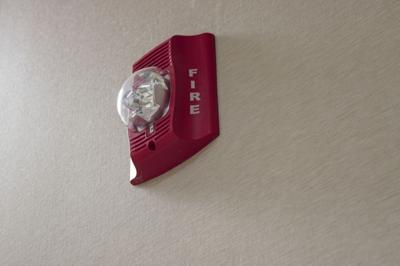


When fire alarms, sprinklers, or detection systems are taken offline — whether for repairs, upgrades, or emergency outages — the safety environment of a building changes immediately. Fire marshals treat these impairment periods as high-risk conditions because the building no longer has its primary layer of protection. To maintain safety and reduce the likelihood of a fire-related incident, authorities often require a manual fire watch until full system functionality is restored. Businesses typically meet this requirement by deploying professional security fire watch personnel who monitor hazards, record patrols, and ensure compliance with local and national codes.
NFPA (National Fire Protection Association) standards, municipal fire codes, and insurance conditions all align on one principle: During a fire-system impairment, human monitoring becomes mandatory. Fire marshals enforce these rules to protect lives, reduce fire spread, and ensure buildings maintain a minimum standard of safety. For businesses, understanding these regulations is essential not only for legal compliance but also for maintaining insurance coverage and avoiding costly penalties.
People are also reading…
Manual fire watch is not optional — it is a required safety intervention when automated systems are compromised. It provides continuous observation, rapid response capabilities, and thorough documentation, all of which help fire marshals verify that a business is operating responsibly during a vulnerable period.
1. Why Fire Marshals Mandate Manual Fire Watch
Fire marshals base their decisions on a combination of NFPA codes, local laws, and situational risk factors. When a fire protection system is impaired, the building’s fire load and hazard profile rise significantly.
A. NFPA Standards Require Fire Watch During Impairments
NFPA 101 and NFPA 72 outline clear guidelines:
- If fire alarms, sprinklers, or suppression systems are offline for more than the allowed timeframe
- If hot work increases ignition risk
- If renovations create combustible conditions
- If there is a loss of fire monitoring or central-station communication
In any of those cases, a manual fire watch becomes mandatory.
NFPA calls this a “compensatory measure” — a temporary replacement for disabled life-safety systems.
B. Building Occupancy Creates Risk Levels
Fire marshals also consider:
- Public traffic
- Residential units
- High-value storage
- Industrial equipment
- Hot-work operations
Higher-risk buildings require immediate fire watch activation when system impairments occur.
C. Removing Automated Protection Without Compensation Violates Code
If a business continues operating with disabled fire systems and no manual fire watch, it is considered a code violation. Fire marshals intervene to prevent safety failures that could lead to injury, structural loss, or multi-tenant disasters.
2. How Fire Marshals Enforce Fire Watch Requirements
Fire marshals have authority to enforce compliance through inspections and administrative actions.
A. Unannounced Inspections
During system impairments, fire marshals may conduct spot inspections to verify:
- Trained personnel are present
- Patrol logs are accurate
- All areas are being monitored
- Exits and fire equipment are accessible
- Hot-work zones have additional protection
If any requirement is not met, enforcement escalates.
B. Violation Notices
A business may receive:
- Immediate written citations
- Orders to cease operations
- Mandatory corrective-action deadlines
Violations remain part of the building’s compliance record.
C. Stop-Work or Temporary Closure Orders
If a business fails to implement required fire watch procedures, fire marshals can order:
- Shutdown of renovations
- Closure of specific areas
- Entire building closure
Fire marshals typically enforce these penalties until the fire watch is reinstated and documentation is provided.
3. Penalties for Ignoring Fire Watch Requirements
Non-compliance can be extremely costly, both financially and legally.
A. Fines and Daily Penalty Accrual
Cities may charge:
- Fines per day
- Per-hour penalties
- Additional fees for re-inspections
These accumulate quickly if the business ignores warnings.
B. Legal Liability in Case of an Incident
If a fire occurs during an impairment, and no fire watch was present:
- The business may be held negligent
- Insurance may deny the claim
- Civil lawsuits may arise
- Criminal consequences may follow in severe negligence cases
Fire marshals use penalties to prevent such unsafe situations from developing.
C. Increased Insurance Scrutiny
Insurers often inspect impairment logs. Missing fire-watch documentation can lead to:
- Denied claims
- Increased premiums
- Cancellation of coverage
Compliance protects the business from financial risk.
4. What Fire Watch Guards Do to Meet Fire Marshal Standards
Manual fire watch is not a passive presence — it is a structured protocol that follows NFPA and local code requirements.
A. Continuous Patrols
Guards must monitor:
- All floors and occupied areas
- Stairwells and exit routes
- Mechanical rooms
- Equipment areas
- Hot-work zones
- Any high-risk locations
Patrol frequency is often mandated to be continuous or in set intervals (often 15-minute or 30-minute rounds).
B. Immediate Reporting Procedures
If fire or smoke is detected:
- Guards must contact emergency services immediately
- Trigger manual alarms (air horns, radios, communication devices)
- Assist with evacuation
- Guide first responders to the hazard area
This rapid response substitutes for disabled automated systems.
C. Hazard Identification and Prevention
Guards proactively identify:
- Blocked exits
- Improperly stored combustibles
- Electrical risks
- Hot-work sparks or smoldering
- Overheated machinery
- Unmonitored high-risk zones
Fire watch personnel must address hazards or notify management immediately.
5. Documentation: The Most Important Requirement for Fire Marshals
Fire watch documentation proves that the business met safety obligations.
A. Fire Watch Logbook Requirements
Logs generally include:
- Patrol times
- Guard signatures
- System impairment notes
- Hazard observations
- Corrective actions
- Emergency notifications
- Communication with fire officials
These records are essential during audits and post-incident investigations.
B. Fire Marshal Review
Fire marshals may request logs:
- During inspections
- After a fire incident
- During system repair monitoring
- As part of annual safety reviews
Missing or inaccurate logs can turn a compliant business into a violator.
C. Insurance Use of Documentation
Fire watch logs help:
- Prove reasonable care
- Reduce liability
- Support insurance claims
- Show that NFPA procedures were followed
Accurate records become legal protection.
6. How Businesses Stay Fully Compliant During Repairs
Proper compliance during fire-system repairs requires planning, coordination, and adherence to safety protocols.
A. Immediate Notification to Authorities
Businesses must notify:
- Local fire marshal
- Alarm-monitoring company
- Insurance provider
- Building management
Failure to report impairments is considered a violation.
B. Deployment of Qualified Fire Watch Personnel
Compliance requires:
- Trained guards
- Continuous coverage
- Proper equipment
- Knowledge of emergency procedures
- Ability to maintain logs accurately
Personnel must understand fire marshal expectations and NFPA procedures.
C. Contractor Coordination
Renovation teams must coordinate with fire watch guards regarding:
- Hot-work schedules
- Equipment shutdowns
- Hazard changes
- Restricted areas
This ensures that fire watch coverage remains accurate and effective.
D. Maintaining Safe Access and Equipment Availability
Guards verify:
- Fire extinguishers are accessible
- Exits and corridors are clear
- Sprinkler valves under repair are not tampered with
- Temporary lighting is adequate
These actions maintain baseline safety during outages.
7. How Fire Marshals Verify Compliance After Repairs
Even when repairs are completed, fire marshals may require confirmation before lifting fire-watch orders.
A. Re-Inspection
Fire marshals verify:
- Alarms function properly
- Sprinkler pressure is restored
- Detection systems communicate with central monitoring
- Fire watch logs were maintained correctly during the impairment
B. Documentation Submission
Businesses may submit:
- Maintenance reports
- Contractor repair records
- Fire watch logs
- Impairment timelines
This documentation closes the compliance loop.
C. Written Clearance
Fire marshals provide written clearance that the fire watch is no longer required. This protects the business legally and satisfies insurance obligations.
8. Why Compliance Protects the Business Long Term
Following fire-watch requirements does more than prevent penalties — it strengthens the overall risk profile of the business.
A. Reduced Exposure to Fire Loss
Manual fire watch significantly lowers the chance of catastrophic events during repairs.
B. Strong Insurance Standing
Compliance builds insurance credibility, which may:
- Reduce future premiums
- Support claims
- Avoid disputes
- Strengthen renewal negotiations
C. Improved Safety Culture
Consistent adherence to fire-watch procedures improves:
- Staff safety awareness
- Contractor behavior
- Overall fire-prevention practices
This leads to fewer incidents long term.
Conclusion
Fire marshals mandate manual fire watch during fire-system impairments because it is the only reliable safeguard when automated protection is disabled. Grounded in NFPA standards and reinforced by local enforcement, manual fire watch ensures businesses maintain life-safety compliance, prevent hazards, and protect property during vulnerable periods.
By understanding these requirements and implementing accurate documentation, trained personnel, and proper coordination, businesses can stay fully compliant, avoid penalties, and maintain a strong safety record until repairs are complete.